

![Alt description [CHANGE]](/_ipx/f_webp&s_2800x1868/https://cdn.sanity.io/images/535lnz3g/production/b51cd5d5c5500a766c3bf56808e926953374ce43-2152x1435.jpg)
The integration of recycled plastic into signage manufacturing not only addresses environmental concerns but also introduces a host of performance and aesthetic benefits.
Material durability and longevity
Recycled plastics, such as high-density polyethylene (HDPE) and polyethylene terephthalate (PET), are engineered to withstand harsh environmental conditions. These materials exhibit superior resistance to ultraviolet (UV) radiation, which prevents discoloration and degradation under prolonged sun exposure. Additionally, their low moisture absorption properties make them highly resistant to swelling, cracking, and structural failure in humid or wet environments. Recycled plastics also maintain their mechanical properties over a wide temperature range, ensuring reliable performance in extreme climates. Compared to traditional materials like wood or metal, recycled plastics provide an extended service life, reducing the need for frequent replacements and minimizing long-term costs.
This is a ordered list for any use.
- Collection and sorting of plastic waste
- Cleaning and removal of contaminants
- Shredding or grinding into small particles
- Melting and extrusion to form new plastic pellets
- Molding or shaping into signage components
A checklist is also available for use.
- Collection and sorting of plastic waste
- Cleaning and removal of contaminants
- Shredding or grinding into small particles
- Melting and extrusion to form new plastic pellets
- Molding or shaping into signage components
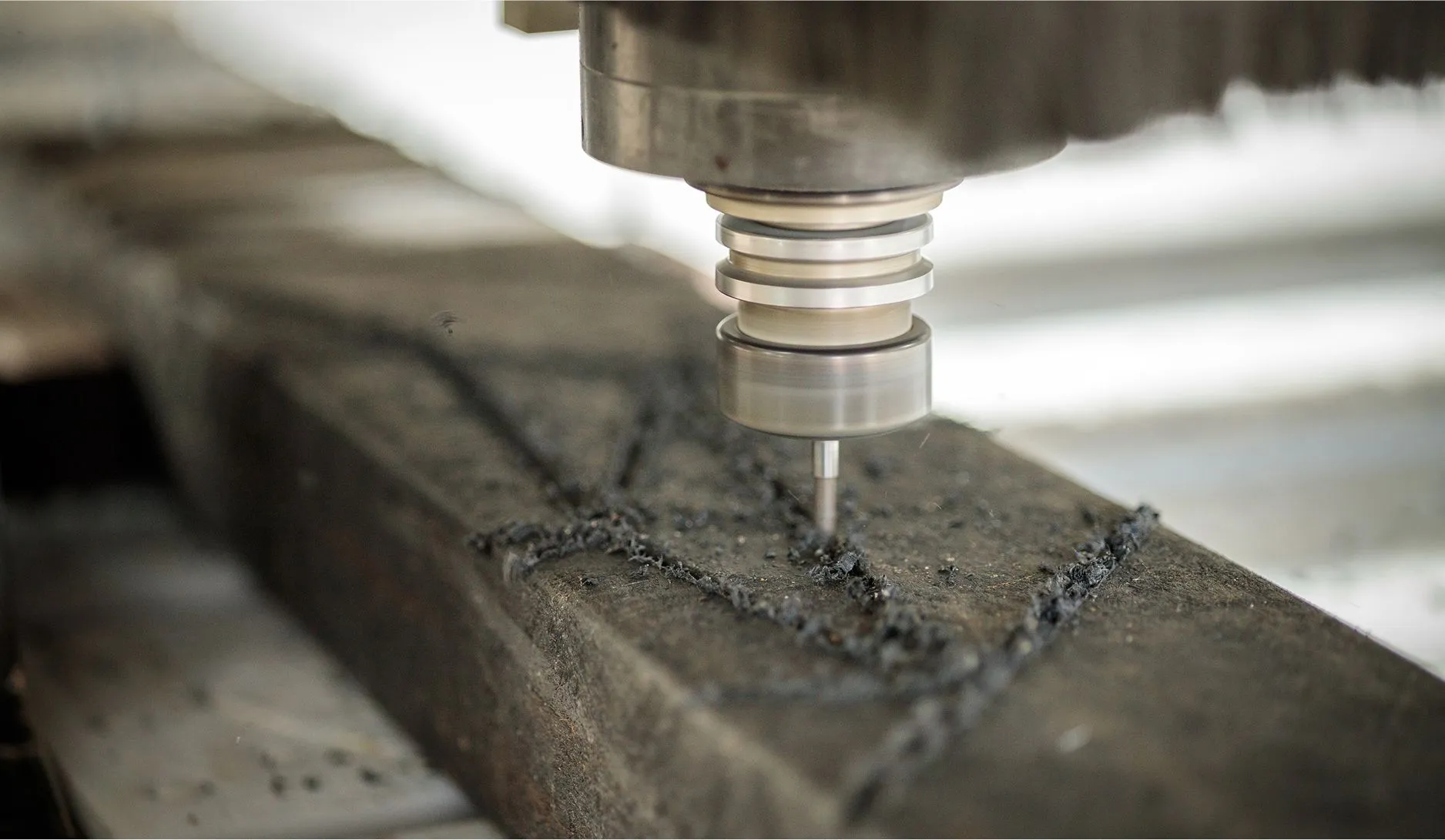
Short description of this image and project and perhaps let the user know where it is located.
Simplified handling and installation
Lightweight properties
The density of recycled plastics is significantly lower than that of traditional signage materials such as metals or glass, resulting in a lightweight composition that enhances ease of transportation and installation. This reduction in weight not only minimizes the logistical challenges and associated carbon emissions but also decreases the structural requirements for mounting, enabling the use of less robust support systems. The lightweight nature of recycled plastics also expands the range of applications, including installations in hard-to-reach or unconventional locations, where heavier materials may be impractical or unsafe to use.
Short description of this image and project and perhaps let the user know where it is located.
Lightweight properties
Lightweight properties
Recycled plastics also maintain their mechanical properties over a wide temperature range, ensuring reliable performance in extreme climates. Compared to traditional materials like wood or metal, recycled plastics provide an extended service life, reducing the need for frequent replacements and minimizing long-term costs.
This is a ordered list for any use.
- Collection and sorting of plastic waste
- Cleaning and removal of contaminants
- Shredding or grinding into small particles
- Melting and extrusion to form new plastic pellets
- Molding or shaping into signage components
A checklist is also available for use.
- Collection and sorting of plastic waste
- Cleaning and removal of contaminants
- Shredding or grinding into small particles
- Melting and extrusion to form new plastic pellets
- Molding or shaping into signage components
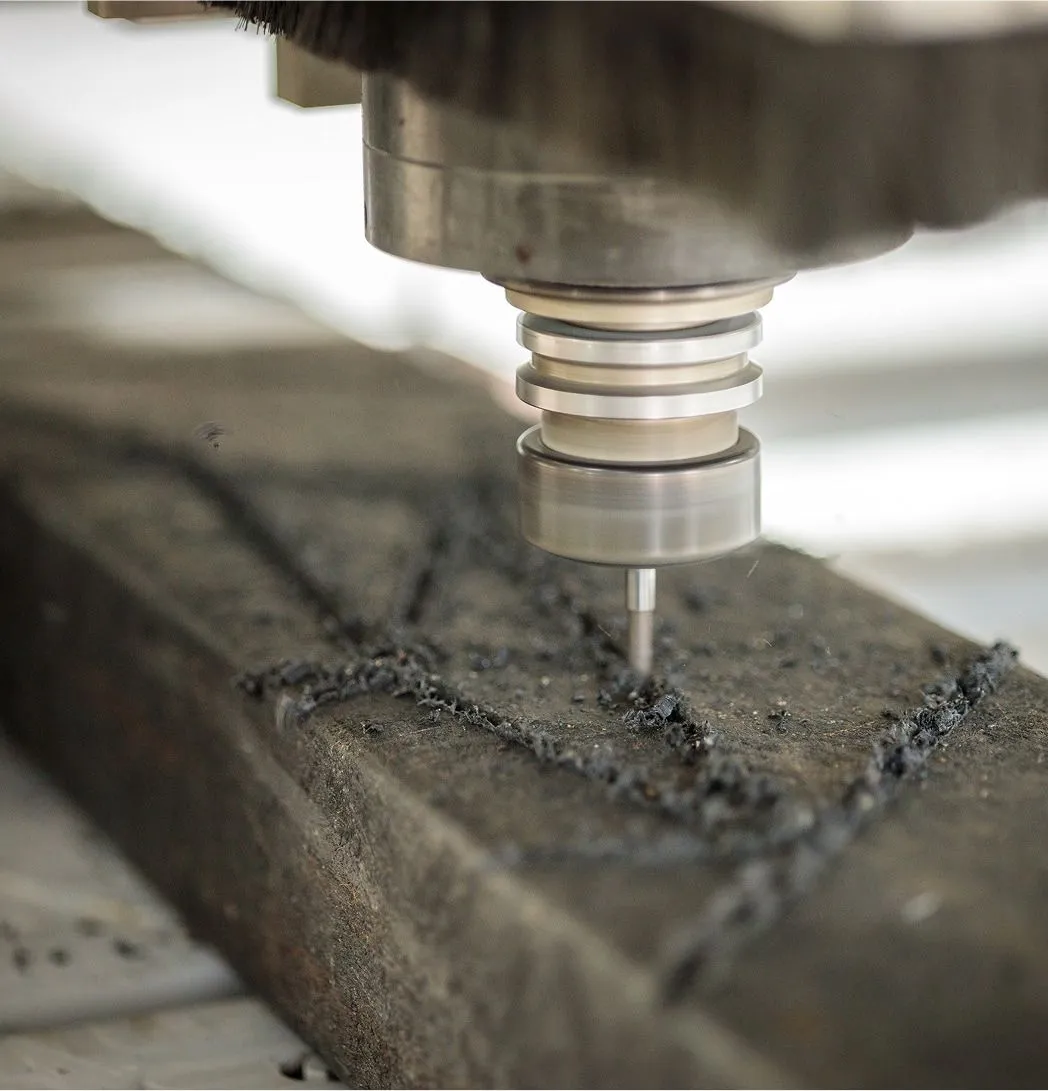
Short description of this image and project and perhaps let the user know where it is located.
Big description of this image and project and perhaps let the user know where it is located.
Big description of this image and project and perhaps let the user know where it is located.
Short description of this image and project and perhaps let the user know where it is located.